
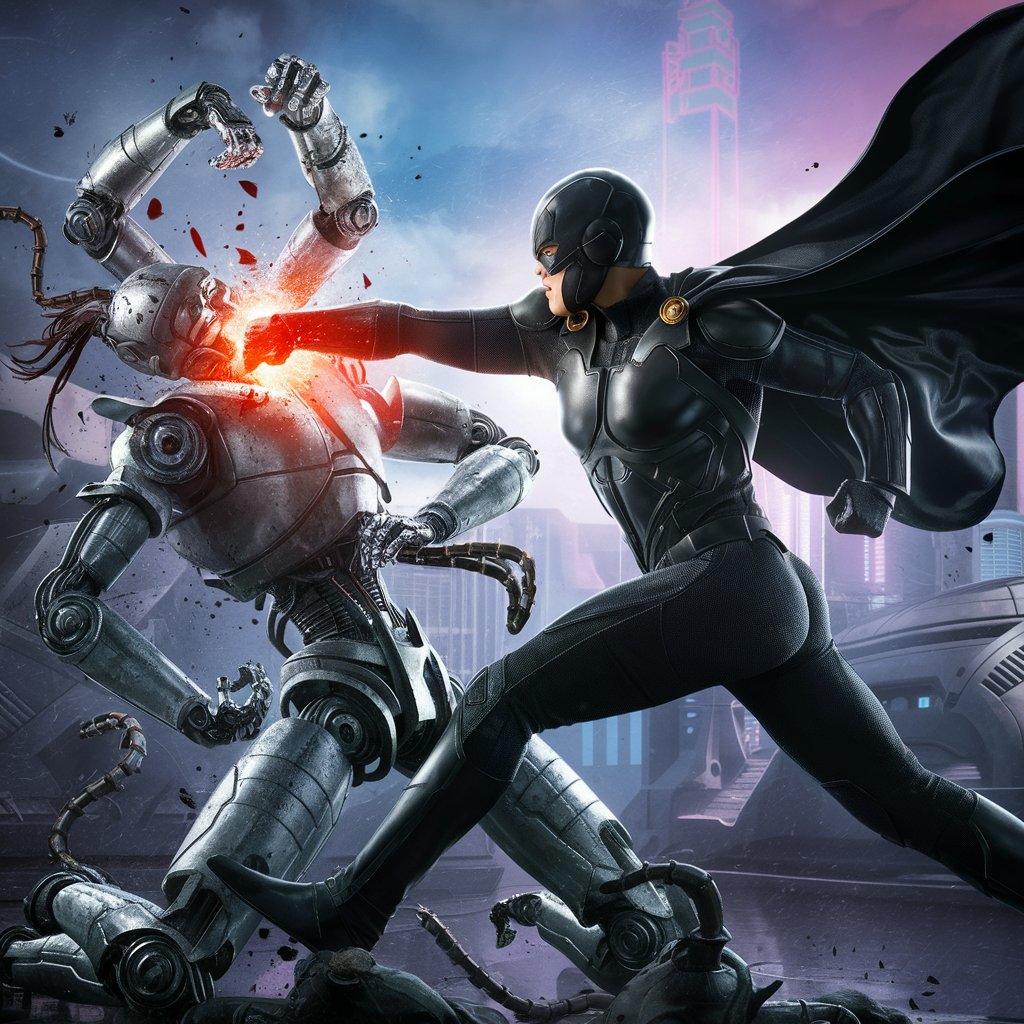
Few terms evoke as much visceral imagery as suckerpunch—a sudden, unexpected strike that leaves its victim reeling before they even realize what happened. While the phrase originated in physical combat, describing a cheap shot or unfair attack, its meaning has expanded into broader cultural contexts, from sports and politics to business and entertainment. A sucker punch represents more than just physical violence; it symbolizes betrayal, surprise dominance, and the psychological impact of being caught off guard. Whether analyzing its role in fighting techniques, its metaphorical use in power struggles, or its dramatic portrayal in films and literature, the concept of the sucker punch reveals much about human nature, strategy, and the thin line between clever tactics and unethical behavior.
1. The Origins and Definition of a Sucker Punch
The term “sucker punch” traces back to early 20th-century American slang, combining “sucker” (a gullible or unsuspecting person) with “punch” (a forceful blow). It describes an attack delivered without warning, often while the victim is distracted or unprepared. Unlike a fair fight, where opponents face each other with mutual awareness, a sucker punch exploits the element of surprise, leaving no chance for defense. Historically, such strikes were frowned upon in combat sports and street brawls alike, seen as dishonorable. However, in real-world self-defense scenarios, some argue that preemptive strikes can be necessary for survival. The moral ambiguity surrounding sucker punches—whether they’re cowardly or cunning—fuels ongoing debate about ethics in conflict, both physical and metaphorical.
2. The Psychology Behind the Sucker Punch: Why It Works
What makes a sucker punch so effective isn’t just the physical impact but the psychological shock that accompanies it. Human reaction times rely heavily on anticipation; when an attack comes without warning, the brain struggles to process and respond in time. This principle applies beyond fistfights—military strategists, negotiators, and even marketers use the element of surprise to gain advantage. In psychology, the “startle response” explains why unexpected stimuli trigger heightened stress and impaired decision-making. A well-executed sucker punch, whether literal or figurative, exploits this vulnerability, paralyzing the target momentarily and allowing the aggressor to control the situation. Understanding this dynamic helps explain why surprise tactics are both feared and revered in competitive environments, from warfare to corporate takeovers.
3. Sucker Punches in Combat Sports and Street Fights: Rules vs. Reality
In regulated combat sports like boxing or MMA, sucker punches are strictly prohibited—fighters must engage only when the match officially begins, with referees ensuring fair play. Yet, outside the ring, street fights have no such rules, and sucker punches are common. Some self-defense systems, like Krav Maga, even teach preemptive strikes as survival tools, arguing that in life-or-death scenarios, waiting for an opponent to attack first can be fatal. The ethical dilemma arises when distinguishing between self-preservation and unnecessary aggression. Meanwhile, viral videos of sucker punches in public altercations often spark debates about accountability, with legal consequences varying based on intent and context. Whether condemned as cheap shots or justified as tactical moves, these attacks reveal the blurred line between honor and survival in unstructured conflict.
4. Metaphorical Sucker Punches: From Politics to Business
Beyond physical altercations, the sucker punch metaphor applies to any situation where an unexpected setback destabilizes an opponent. In politics, opponents might release damaging information right before an election—a strategic ambush. In business, a rival company might launch a disruptive product without warning, catching competitors off guard. Even in personal relationships, betrayal or sudden abandonment can feel like an emotional sucker punch. These scenarios share a common thread: the victim’s inability to prepare or defend themselves due to the attack’s timing and secrecy. While some view such tactics as shrewd strategy, others see them as unethical manipulation, raising questions about whether winning by surprise is a sign of intelligence or a lack of integrity.
5. Sucker Punches in Pop Culture: From Film to Gaming
Hollywood has long glamorized the sucker punch, using it as a dramatic device to shock audiences and shift power dynamics. Films like Sucker Punch (2011) explore themes of illusion and resistance, while fight scenes in movies like Rocky or Fight Club often feature unexpected blows to heighten tension. Video games, too, incorporate sneak attacks as gameplay mechanics—stealth kills in Assassin’s Creed or backstabs in Dark Souls reward players for catching enemies unaware. These portrayals influence public perception, sometimes romanticizing the idea of the underdog delivering a decisive, unexpected strike. Yet, they also serve as cautionary tales, illustrating how easily trust can be weaponized. Whether as a plot twist or a gameplay strategy, the sucker punch remains a powerful narrative tool because it mirrors real-life vulnerabilities.
Conclusion: The Thin Line Between Tactics and Treachery
The suckerpunch, in all its forms, forces us to confront uncomfortable questions about fairness, preparation, and human nature. Is it ever justified to strike first when survival is at stake? Can surprise tactics in business or politics be ethical if they lead to success? The answers depend on perspective—what one person calls deceit, another might call strategy. Ultimately, the sucker punch endures as a symbol of the unpredictable, reminding us that vigilance and adaptability are essential in a world where not all battles are fought face-to-face. Whether in combat, competition, or daily life, understanding the dynamics of the unexpected blow can mean the difference between falling victim and staying one step ahead.
